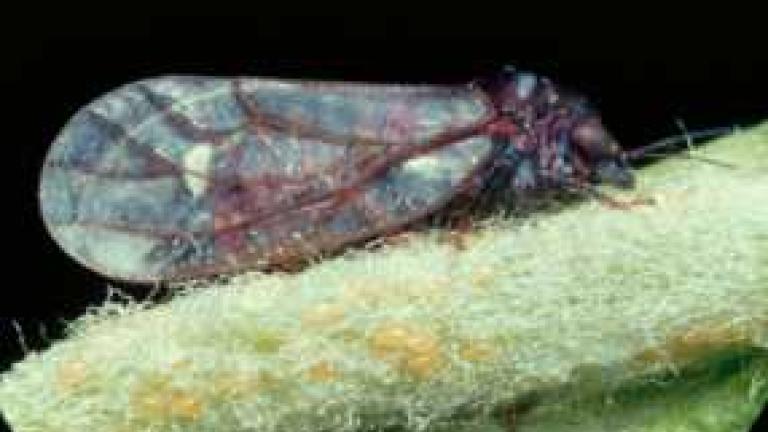
plant hopper, any member of several insect families of the order Homoptera, easily recognized because of the hollow, enlarged head extension that may appear luminous (see lanternfly). Plant hoppers feed on plant juices and excrete honeydew, a sweet by-product of digestion
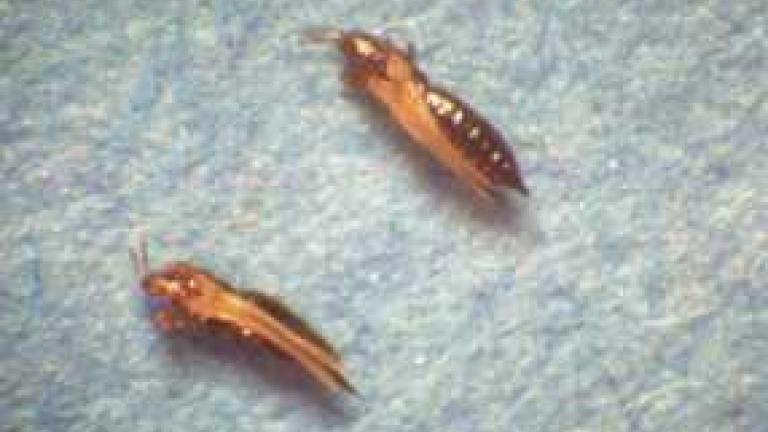
Thrips
Small caterpillars that feeds by drawing some line on the top of the leaves causing the leave to drop.
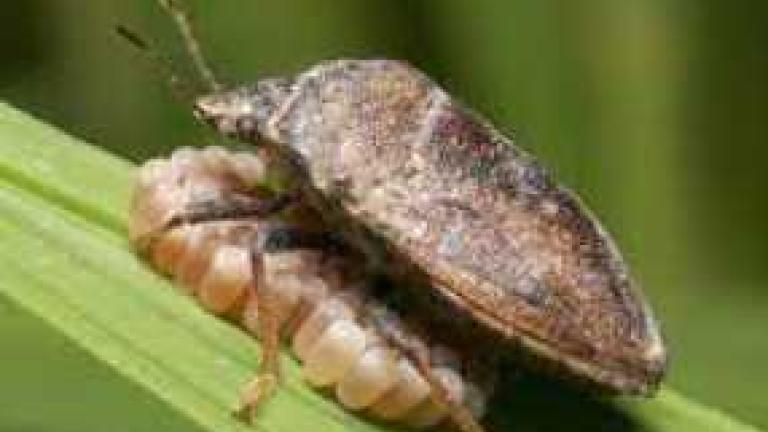
Bugs
Insects have a chitinous exoskeleton, a three-part body (head, thorax and abdomen), three pairs of jointed legs, compound eyes and one pair of antennae. Their blood is not totally contained in vessels; some circulates in an open cavity known as the haemocoel
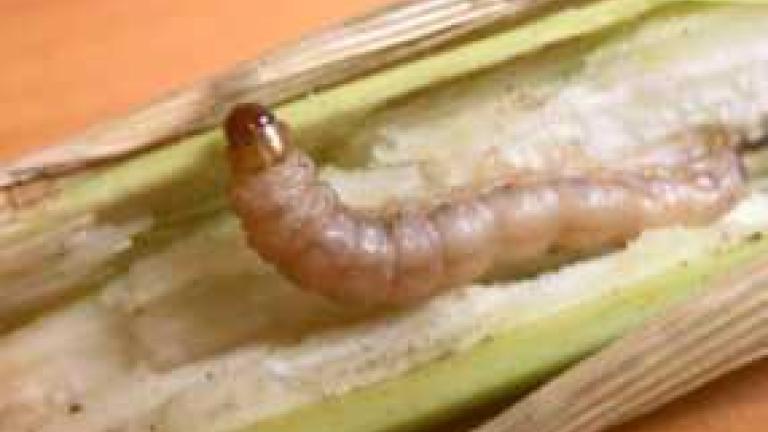
Stem Borers
Is a slender, purple and white striped caterpillar found tunneling inside the stems of a wide variety of plants. It is a common pest of tomatoes, corn, and other plants.
Fall Armyworm
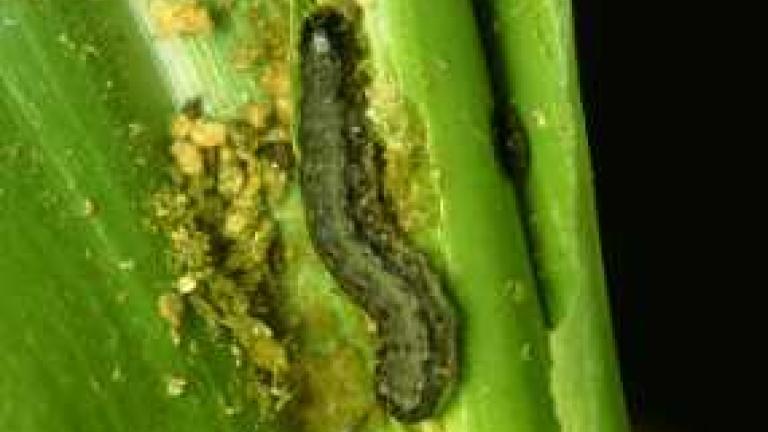
Greenish to pinkish, brown or black colour, windowing on leaves, yellowish brown sawdust-like excrete inside the tassel, cob & stem, Cob browning with excrete, developing tassels on older crops destroyed
Diseases
Rice Blast
Elliptical spots with light-colored centers and reddish edges
Sheath Blight
On the leaf sheath oval or elliptical or irregular greenish grey spots are formed. As the spots enlarge, the centre becomes greyish white with an irregular blackish brown or purple brown border.
Leaf Spots
Small circular dark spots on lower leaves and/or stems, Leaf yellowing, Leaf edges
Dirty Parnicle
The spikelet that has been infected has a straw-coloring and there is also discoloration of the grain as well as rotting and panicle blanking. When conditions are ideal the bacteria quickly multiply.
Brown Spots
Leaves become yellow to rusty brown
Neck/ear Blast
Elliptical spots with light-colored centers and reddish edges
Weeds
Watergrass
Not a true grass, but a member of the sedge family. Purple Nutsedge can be distinguished by the presence of chains of Rhizomes below ground. Spreads profusely on many soil types but can be controlled by various herbicides.
Nutsedges
These are perennial plants that are commonly found in shallow water or moist soils and can reach 4 feet in height. They resemble grasses and often grow in thick clusters.